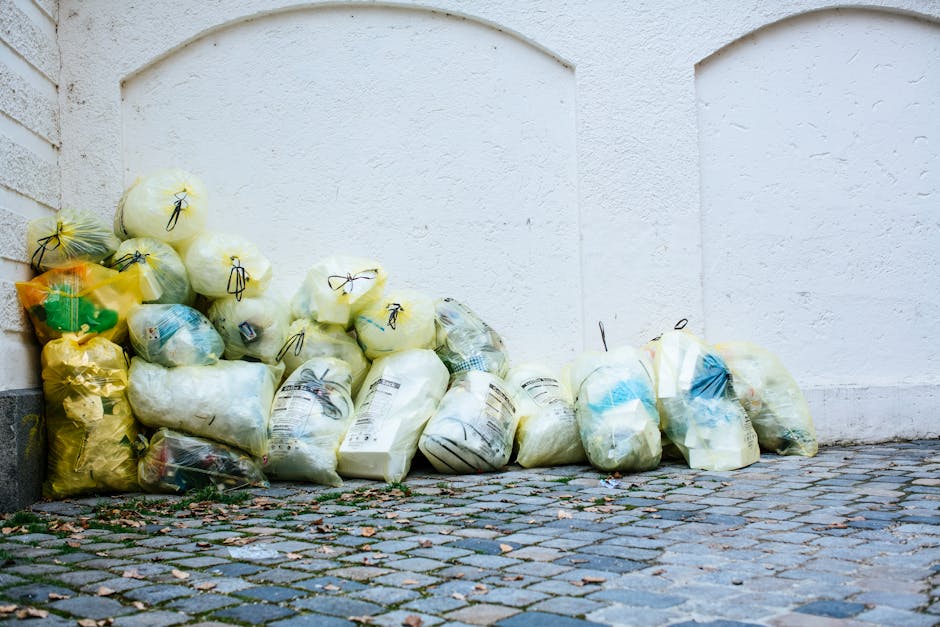
Maida Vale W9 bulky waste rules for cleaning companies
Posted on 06/07/2026
Maida Vale W9 Bulky Waste Rules for Cleaning Companies: A Practical Local Guide
If you clean homes, flats, or offices in Maida Vale, bulky waste is one of those things that can quietly derail a job. A mattress left behind in a hallway, a broken wardrobe in a basement flat, an old sofa on a tight staircase - suddenly the clean-up is no longer just cleaning. It becomes logistics, timing, and compliance. This guide explains the Maida Vale W9 bulky waste rules for cleaning companies in plain English, with the sort of practical detail that helps you avoid delays, awkward conversations, and unnecessary risk.
Truth be told, bulky waste is rarely the glamorous part of the work. But it matters. If you handle end-of-tenancy cleans, domestic reset jobs, office clear-downs, or post-event tidy-ups, you need a clear process for what you can move, what you should not touch, and when a client needs a separate removal plan. You will also find useful local context and links to related resources, including Westminster rubbish disposal guidance for cleaners and the site's services overview.
Expert summary: The safest approach is simple: identify bulky waste early, confirm responsibility in writing, keep hazardous or restricted items out of standard cleaning scope, and build enough time into the job for access, lifting, and disposal decisions.
Contents
- Why Maida Vale W9 bulky waste rules for cleaning companies Matters
- How Maida Vale W9 bulky waste rules for cleaning companies Works
- Key Benefits and Practical Advantages
- Who This Is For and When It Makes Sense
- Step-by-Step Guidance
- Expert Tips for Better Results
- Common Mistakes to Avoid
- Tools, Resources and Recommendations
- Law, Compliance, Standards, or Best Practice
- Options, Methods, or Comparison Table
- Case Study or Real-World Example
- Practical Checklist
- Conclusion
- Frequently Asked Questions
Why Maida Vale W9 bulky waste rules for cleaning companies Matters
Bulky waste rules matter because they shape what a cleaning company can realistically promise. In a place like Maida Vale, where period conversions, mansion blocks, compact flats, and tight communal stairwells are common, a "quick clean" can turn into a heavy-item management problem very quickly. A cracked desk, a worn-out mattress, or a pile of old packaging may look harmless, but if it blocks access, scratches flooring, or stays in the property after the clean, the entire job feels unfinished.
For cleaning companies, the issue is not just physical removal. It is responsibility. Who owns the item? Is it waste or storage? Does the client want it moved to a bin store, placed outside, or fully disposed of? Can the item be lifted safely? Is there enough access to carry it without damaging banisters, carpets, or walls? These are the questions that separate a tidy operation from a messy one.
There is also the local reputation factor. Maida Vale clients often expect neat communication and careful handling. A sofa left in the lobby overnight does not just look bad; it creates tension with neighbours, residents, landlords, and managing agents. That is why local cleaning teams often work with rules that are stricter than a casual domestic clear-up. If you need broader local context, the article on Maida Vale living advice and insights gives a useful feel for the area and why presentation standards are taken seriously here.
One small but important point: bulky waste is not the same as ordinary rubbish. A few black bags after a deep clean are one thing. A bed frame, armchair, chest of drawers, or dismantled shelving unit is another. Treating them the same is how mistakes happen.
How Maida Vale W9 bulky waste rules for cleaning companies Works
In practice, bulky waste handling starts before the team arrives. The best companies ask questions at booking stage: what items are on site, who owns them, where they are located, and whether they need removing from the property or just moved within it. That early conversation saves a lot of faffing later. To be fair, clients often do not describe things precisely. "A bit of furniture" might mean a dismantled wardrobe, a heavy recliner, or four broken office chairs. Ask follow-up questions.
Once on site, the cleaner or team lead should inspect the item and decide whether it falls inside the agreed scope. If the item is clearly bulky waste, the next step is to confirm the disposal route. In many cases, the cleaning company should not assume that it can simply take the item away. Unless the job specifically includes waste removal, the safer approach is to treat bulky waste as a separate service decision.
Here is the practical flow most reputable teams follow:
- Identify the item early and note it on the job sheet.
- Check whether the item is included in the quote or excluded.
- Confirm access: stairs, lifts, parking, loading space, and walking distance.
- Assess handling risk: weight, sharp edges, contamination, and possible damage.
- Decide whether it can be moved safely, needs dismantling, or must be left in place.
- Record the client's instruction in writing where possible.
- Arrange the correct disposal route if removal is agreed.
That last point is where many jobs either go smoothly or go sideways. If a bulky item is simply left near the front door because nobody clarified responsibility, you may end up with complaints. And in Maida Vale, with narrow halls and communal entrances, even a small delay can feel bigger than it is. A useful related read here is access problems for Maida Vale cleaners in narrow stairs, because access and bulky waste usually arrive as a pair.
For end-of-tenancy work, bulky waste is especially sensitive. Clients may be moving out, landlords may be checking final condition, and timing can be tight. If that is your bread and butter, the page on end of tenancy cleaning W9 is worth keeping in the workflow for service planning and quote design.
Key Benefits and Practical Advantages
Having a clear bulky waste process is not just about avoiding trouble. It actually makes the whole business run better. You get fewer surprises, fewer awkward site conversations, and fewer late-night messages asking where the old sofa went. Nice, right?
- Cleaner quoting: If bulky waste is identified early, pricing is more accurate and scope creep is reduced.
- Better time management: Teams can plan dismantling, lifting, and disposal without eating into cleaning time.
- Less property damage: Careful handling protects bannisters, paintwork, floors, lifts, and shared areas.
- Improved client trust: Clear boundaries feel professional, especially in premium homes and managed blocks.
- Safer working conditions: Heavy or awkward items are one of the quickest ways to injure staff if nobody thinks ahead.
- Stronger local compliance: You are less likely to leave waste in prohibited places or create a nuisance in communal areas.
There is also a subtle commercial benefit. When your company is the one that explains the rule calmly and clearly, you come across as organised. That matters. Clients often judge professionalism not by how fast a mop moves, but by how the company handles the tricky bits.
If your work includes homes with lots of soft furnishings, you may also benefit from pairing this process with upholstery cleaning in W9 or carpet cleaning in W9, because clients often ask about both cleaning and disposal in the same breath.
Who This Is For and When It Makes Sense
This guidance is for anyone carrying out cleaning work where large discarded items might appear on site. That includes domestic cleaners, deep-clean teams, end-of-tenancy specialists, office cleaners, and property managers coordinating third-party work. It also helps letting agents and landlords who want fewer last-minute surprises between check-out and re-let.
It makes the most sense when:
- a flat is being cleared before a tenancy ends;
- a landlord has left old furniture in storage areas;
- clients expect a "clear and clean" rather than a pure clean;
- office furniture is being replaced and the old stock needs sorting;
- there are communal rules about moving waste through shared areas;
- access is awkward and the item may need two people or dismantling.
It also matters in the quiet in-between jobs. The property looks fine at first glance, then you open a cupboard and find a broken hoover, a spare mattress, and a pile of cardboard that has been there for months. Happens all the time.
For local home and property context, the related article on profitable property choices in Maida Vale can help you understand why turnover speed and presentation standards are so important in the area.
Step-by-Step Guidance
If you want a process that holds up in the real world, keep it simple and repeatable. Fancy systems are great until somebody is trying to carry a mattress down a Victorian stairwell at 8:15 in the morning.
1. Identify the bulky item before the visit
Ask the client for photos and a short description. A picture is worth a lot here. If the item is especially large, damaged, damp, infested, or fixed in place, that changes the approach straight away.
2. Define the job scope
Make it clear whether the service covers cleaning only, moving items within the property, or arranging disposal. Put this into the quote or job confirmation. If it is not written down, people tend to remember it differently later.
3. Check access and exit routes
Measure mentally, then measure properly if needed. Stair width, lift size, door frames, basement turns, and entrance restrictions all matter. A bulky item may be easy to clean around but awkward to shift past the bannister.
4. Separate clean waste from general rubbish
During the job, keep bags, recyclables, and bulky items separated. That makes the site cleaner and helps with a better handover. It also reduces the chance of a cleaner accidentally mixing the wrong materials.
5. Confirm who is responsible for disposal
This is the core compliance question. If the client wants the cleaning company to remove the bulky waste, that should be agreed in advance. If not, the item should remain where the client has instructed. No guessing.
6. Protect the property while handling the item
Use blankets, corner protection, gloves, and safe lifting techniques. If the item is too awkward, it may be better to dismantle it or leave it for a specialist waste service.
7. Finish with a clear handover
Before leaving, walk the space with the client or agent where possible. Show what has been removed, what remains, and whether any bulky waste is still awaiting collection. That one small minute can prevent a whole afternoon of messages.
Expert Tips for Better Results
There are a few habits that make bulky waste handling much smoother, and none of them are complicated. They are just the sort of practical habits teams learn after a few awkward jobs.
- Always ask for item photos. A blurry WhatsApp shot is still better than a guess.
- Quote for access, not just labour. Narrow stairs or long carries add real time.
- Use simple language with clients. "Bulky waste" means little to some people; "old sofa, mattress, table, or broken wardrobe" is clearer.
- Keep a do-not-move list. Anything hazardous, contaminated, or clearly outside your scope should be noted immediately.
- Schedule bulky waste before the final polish. Otherwise you clean twice, which nobody enjoys.
- Have a fallback plan. If the item cannot be removed that day, know what you will tell the client and how you will document it.
A small human note: the best teams are not necessarily the fastest teams. They are the ones that stay calm, ask the right question, and do not pretend everything is fine when a wardrobe is wedged in a hallway. That sort of honesty saves everyone time.
If you want a better sense of how local cleaning jobs are priced and presented, see pricing and quotes and the article on hidden charges in Maida Vale cleaning quotes. Bulky waste is exactly the kind of thing that can become a hidden charge if you are not careful.
Common Mistakes to Avoid
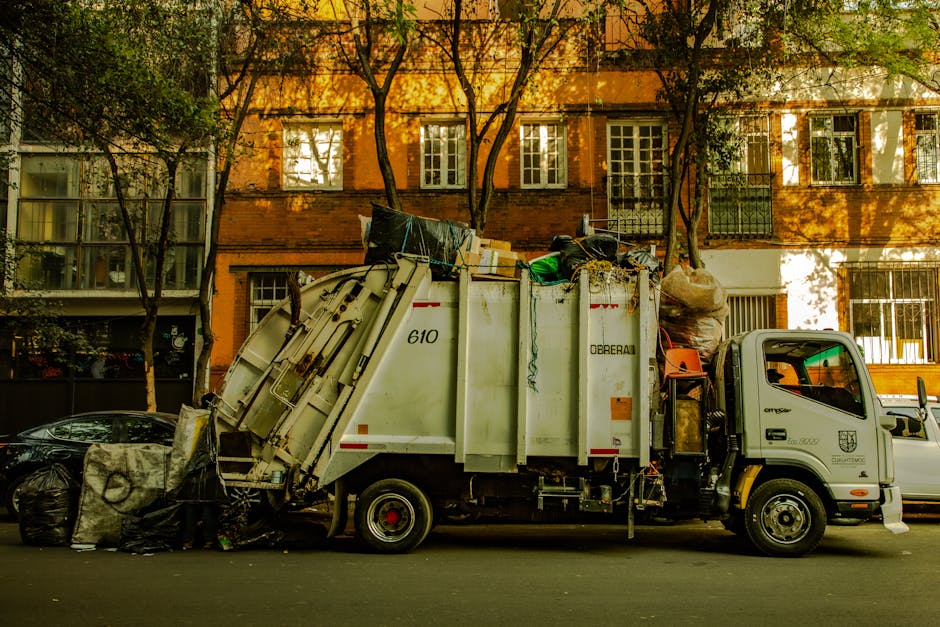
Most bulky waste problems come from a few predictable errors. The good news? They are very avoidable once you know what to watch for.
- Assuming the client meant disposal. "Take it away" can mean move it to another room. Clarify.
- Not checking whether the item is contaminated. Damp, mouldy, or pest-affected items need extra caution.
- Forgetting communal-area rules. A bag in the wrong corridor can trigger complaints fast.
- Underestimating lift or stair access. The item may fit, but only if angled just so. That matters.
- Leaving heavy items for the end of the job. That is when people are tired and more likely to rush.
- Mixing cleaning waste with bulky items. It makes handover messy and unprofessional.
- Failing to write down exclusions. If it is not included, say so clearly. Honestly, it saves arguments.
There is a related local concern in many W9 properties: difficult movement through older buildings. The article on Maida Vale flat cleaning on Lauderdale Road is a good example of why access-aware planning is not optional in this part of London.
Tools, Resources and Recommendations
You do not need a huge kit to manage bulky waste properly, but a few basics help a lot.
| Tool or resource | Why it helps | Best use |
|---|---|---|
| Heavy-duty gloves | Protect hands from rough edges and dust | Lifting, dismantling, moving old furniture |
| Protective blankets or covers | Reduces scratches on floors and walls | Hallways, stairwells, door frames |
| Photo checklist | Documents the item before work starts | Quotes, dispute prevention, client clarity |
| Simple job notes | Records instructions and exclusions | Handovers and team coordination |
| Measuring tape | Confirms whether items will fit through access points | Stairwells, lifts, doors, tight turns |
| Job confirmation template | Keeps scope and disposal responsibility clear | Before arrival and before billing |
For teams that regularly handle mixed domestic jobs, it is also worth keeping operational notes alongside other service pages such as domestic cleaning in W9 and house cleaning in W9. That way, bulky waste questions do not get lost between standard cleaning tasks.
If your jobs often involve office clear-outs, the same logic applies. Office furniture may be larger, but the mistakes are the same: unclear scope, poor access checks, and no handover note. If that sounds familiar, the office cleaning W9 page is a useful related reference.
Law, Compliance, Standards, or Best Practice
Without getting overly legal about it, cleaning companies should treat bulky waste with a strong duty of care mindset. In the UK, once waste is removed from a property, there are expectations around handling, transfer, and lawful disposal. The exact responsibility depends on who generated the waste, who agreed to remove it, and what service was actually booked.
That is why careful documentation matters. Written instructions, clear pricing, and a named scope are the safest foundations. If a client asks you to dispose of bulky items, make sure that request is accepted only if your business is set up to do it properly. If not, refer the client back to the agreed service terms and keep the handover clean and polite.
There are also practical standards around health and safety. Team members should use proper lifting technique, avoid moving objects that are too heavy or unstable, and stop if a load becomes unsafe. That sounds obvious, but it is exactly the sort of obvious thing people ignore on a busy day.
For policy context, the site's health and safety policy, insurance and safety, and terms and conditions pages are useful supporting references for how a professional cleaning business should frame risk and responsibility.
Options, Methods, or Comparison Table
There is no single best way to deal with bulky waste. The right approach depends on the item, the client's expectations, and the building layout. Here is a practical comparison that many cleaning companies use when deciding what to do.
| Method | When it works best | Pros | Cons |
|---|---|---|---|
| Leave item in place | Client wants it retained or collected later | No handling risk, no scope confusion if agreed | Property may still look unfinished |
| Move item to a specified area | Client needs access cleared but not disposal | Useful for staged clear-outs | Still requires safe lifting and route planning |
| Dismantle then remove | Large furniture blocks access | Can solve stairwell and doorway issues | Takes time and needs tools |
| Arrange separate disposal | Job includes full bulky waste removal | Clean handover, better client experience | Needs clear pricing and lawful disposal process |
In most Maida Vale situations, the safest approach is either move it only within the agreed area or book it as a separate removal task. That keeps the cleaning job from becoming half clean, half logistics.
Case Study or Real-World Example
Here is a realistic example based on a typical W9 end-of-tenancy job. A cleaner arrives at a first-floor flat near a busy road in Maida Vale. The flat itself is straightforward: standard deep clean, kitchen degreasing, bathroom sanitising, carpets checked, and final touch-ups. Then, just before the last room is finished, the cleaner finds an old wardrobe door, a broken bedside table, and a mattress leaning against the wall.
At first glance, it looks manageable. Then the details emerge. The stairwell is narrow, the lift is small, and the communal landing has a sharp turn halfway down. The cleaner pauses, takes a couple of photos, checks the booking notes, and confirms with the client whether the bulky items were meant to be removed or only assessed. As it turns out, the client assumed they would be "dealt with," but that was never written into the quote.
Because the team had documented the scope clearly, there was no dispute. The items were not moved without agreement, and the client was given a calm explanation of next steps. The job still ended well, just not in the most dramatic way. Which, frankly, is often the goal.
That same style of careful communication is especially useful in end-of-tenancy work such as Sutherland Avenue end-of-tenancy cleaning, where timing, access, and final presentation all matter at once.
Practical Checklist
Use this checklist before accepting or starting a job where bulky waste might appear.
- Confirm whether the job includes cleaning only or disposal too.
- Ask for photos of bulky items before arrival.
- Check stair width, lift access, parking, and loading space.
- Note whether the item is damaged, damp, contaminated, or infested.
- Decide if two-person lifting or dismantling is needed.
- Protect floors, walls, and communal areas before moving anything.
- Put exclusions and disposal responsibility in writing.
- Keep bulky items separate from bagged waste and cleaning debris.
- Complete a final handover with the client or agent where possible.
- Make sure any removal or disposal step fits your business policy and safety rules.
Quick takeaway: clear scope, safe handling, written confirmation, and local access awareness are the four things that keep bulky waste jobs under control.
Get a free quote today and see how much you can save.
Conclusion
Maida Vale bulky waste jobs are rarely complicated because of the waste itself. They become complicated because nobody defined the edges early enough. Once a cleaning company knows what is being cleaned, what is being moved, and what is being disposed of, the whole operation becomes calmer and more professional.
That is really the heart of Maida Vale W9 bulky waste rules for cleaning companies: treat bulky items as a separate planning issue, not an afterthought. Ask better questions, document the answer, and keep the process safe for your team and respectful to the property. In a neighbourhood where access can be awkward and expectations are high, that approach goes a long way.
And if you are already refining how your services are presented, it may help to explore the site's about us page and blog for more local operational context. Small details add up. They always do.
By the time the van pulls away and the hallway is quiet again, what clients remember most is usually simple: the job felt organised, respectful, and handled properly. That is a good place to be.