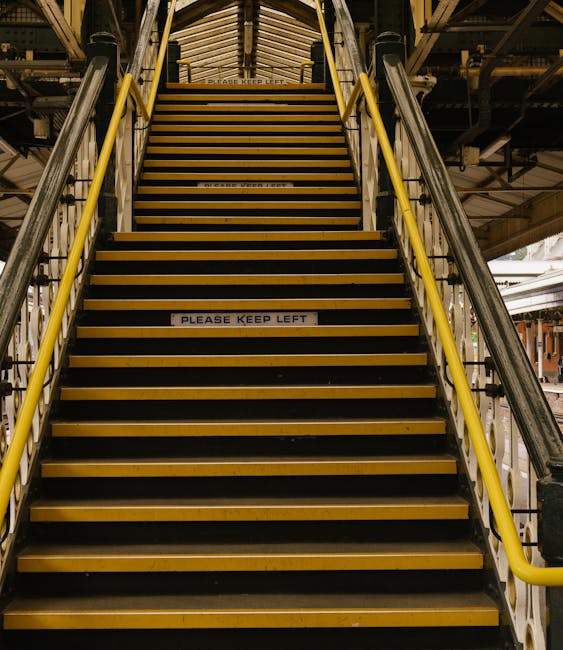
Access problems for Maida Vale cleaners narrow stairs
Posted on 10/06/2026
Access Problems for Maida Vale Cleaners Narrow Stairs: A Practical Guide for Safer, Smoother Cleaning Visits
Narrow staircases, tight landings, awkward turns, and old Maida Vale conversions can turn a simple cleaning appointment into a bit of a logistical puzzle. If you are dealing with access problems for Maida Vale cleaners narrow stairs, you are not alone. Many flats in the area have character, but that character often comes with steep steps, compact hallways, low railings, and not much space to manoeuvre equipment.
This guide explains what those access issues mean in practice, why they matter, and how to make cleaning visits safer and more efficient without overcomplicating things. You will also find a step-by-step prep guide, practical tips, a comparison table, and a realistic example based on the kind of homes cleaners regularly encounter around Maida Vale. Simple enough? Mostly, yes. But a little planning goes a long way.
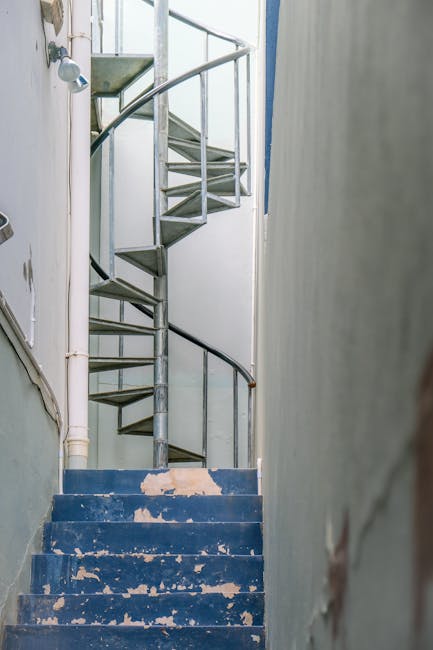
Why Access Problems for Maida Vale Cleaners Narrow Stairs Matters
Let's face it: cleaning is physical work, and access is part of the job. If a cleaner has to carry vacuums, carpet machines, upholstery tools, buckets, hose lines, or heavy supplies up a narrow staircase, the route matters almost as much as the room itself. In Maida Vale, many properties are period conversions or maisonettes, and the stairs can be tight enough that even a standard upright vacuum feels a bit clumsy.
Access issues matter for three main reasons. First, they affect safety. A cramped stairwell increases the chance of slips, scuffs, knocks, and strained backs. Second, they affect efficiency. If a cleaner has to make repeated trips, carefully angle equipment around each turn, or pause to protect walls and banisters, the visit takes longer. Third, they affect expectations. A client may expect a quick, routine clean, while the property layout requires a slower, more careful approach.
That is especially relevant for services like domestic cleaning in W9 and end of tenancy cleaning in W9, where multiple rooms, attachments, and cleaning products often need to travel between floors. Even a basic house clean can become more complex if there is no lift and the stairwell is narrow, dimly lit, or awkwardly angled.
There is also the practical side of customer satisfaction. When access is discussed early, the visit feels smoother. Nobody is standing in the hallway doing that awkward dance of "can this machine fit up there or not?" and everyone saves time. A tiny bit of planning, honestly, avoids a lot of fuss later.
How Access Problems for Maida Vale Cleaners Narrow Stairs Works
In simple terms, access problems start with the route from the front door to the cleaning area. The more obstacles that route has, the more careful the cleaning team has to be. Narrow stairs usually create four kinds of friction: limited width, limited headroom, sharp turns, and delicate surfaces that need protection.
Here is how that usually plays out during a visit:
- Arrival and assessment: the cleaner checks the entrance, staircase width, and turning space before moving equipment in.
- Equipment selection: smaller, lighter tools may be chosen instead of bulkier machines.
- Movement strategy: supplies may be carried in stages, with more than one trip to reduce risk.
- Surface protection: corners, painted walls, stair runners, and banisters may need extra care.
- Task sequencing: the cleaner may start on upper floors or specific rooms first so equipment flow is less disruptive.
For specialised cleaning jobs, access can influence the whole method. A carpet clean, for example, often needs machinery and hose management that is less forgiving in tight staircases. You can see why service planning matters by reading about carpet cleaning in W9 and upholstery cleaning in W9, both of which may involve carrying equipment that does not exactly fold itself into a neat little parcel.
In many homes, the real issue is not just the width of the stairs but the combination of factors. A narrow staircase plus a small hallway plus a door that opens inward? That is when the route starts to feel tricky. To be fair, cleaners see this kind of thing all the time, but it still needs thought.
Key Benefits and Practical Advantages
Sorting out access before the cleaner arrives may sound obvious, but the benefits are real. It keeps the visit calmer, reduces avoidable delays, and helps the team focus on the work rather than on logistics.
Better safety for everyone. Fewer awkward lifts, fewer rushed turns, fewer chances of knocking a wall or slipping on a step.
More accurate time planning. If the property is known to have narrow stairs, the cleaning slot can be planned more realistically. That matters for both routine cleans and time-sensitive bookings, such as same-day emergency cleaning in Maida Vale.
Less wear on the property. Old staircases can be charming, but they can also chip, scuff, and mark easily. A careful route protects the home.
Better service fit. Some tasks suit compact kits better than bulky systems. If the job is known in advance, the cleaner can bring the right setup first time.
Clearer pricing expectations. Access difficulty may affect the effort involved, so it is best discussed upfront. That ties in neatly with pricing and quotes and the general importance of being clear about scope before a job starts.
A small but important point: good access planning does not mean the property is a problem. It just means the job needs the right preparation. There is a difference, and it matters.
Expert summary: The best cleaning visits in narrow-stair Maida Vale properties are the ones where access is treated as part of the service brief, not as an afterthought. A quick heads-up, a sensible toolkit, and a clear route can make a surprisingly big difference.
Who This Is For and When It Makes Sense
This is relevant to anyone living or managing a property in Maida Vale where stairs are compact, steep, or simply awkward. That includes tenants, landlords, homeowners, letting agents, office managers in converted buildings, and people arranging one-off deep cleans before guests, inspections, or move-out day.
It especially makes sense if any of the following apply:
- your flat is on an upper floor with no lift
- the staircase bends sharply or narrows at the turn
- the banister or walls are easily scuffed
- there is little landing space for equipment
- you need carpet, upholstery, oven, or end-of-tenancy cleaning
- the property is in a period building with original stair proportions
It is also useful if you are comparing cleaning providers. A cleaner who understands access constraints will usually ask better questions before arrival. That is a good sign. It shows they are thinking beyond the obvious checklist.
If you want a broader sense of local property layouts and the sort of homes people manage in the area, the local articles on Maida Vale as a hidden gem of London and living in Maida Vale offer helpful context. Not because they are about stairs directly, but because the area's housing stock explains why access issues are so common.
Step-by-Step Guidance
If you are preparing for a clean in a narrow-stair property, keep it simple. The goal is not to redesign the building. The goal is to make movement safer and the clean more efficient. Here is a practical approach that works well in real homes.
- Measure the problem areas. Check the width of the staircase, landings, and any tight doorways. You do not need engineering precision. A rough sense is usually enough.
- Flag the access issue early. Tell the cleaner or booking team about the stairs before the visit. Mention whether there is a lift, how many floors are involved, and whether equipment has to be carried through a communal hallway.
- Clear the route. Move shoes, bags, laundry, umbrellas, and anything else that crowds the staircase. A cleaner should not have to play hopscotch on the way to the top floor.
- Protect delicate surfaces. If the staircase has polished wood, painted edges, or a runner that slips, mention it. That helps the team bring suitable precautions.
- Confirm what equipment will be used. Some jobs need compact machines; others may require more than one person. If in doubt, ask what is most suitable for the layout.
- Plan the order of rooms. Upper rooms, low-traffic areas, or the trickiest spaces may be best handled first. It depends on the job, but planning avoids extra back-and-forth.
- Set realistic timing. Narrow stairs almost always slow movement a little. That is normal. Build that into the visit, and everyone is less stressed.
A useful extra step is to mention other property details that affect movement, such as pets underfoot, a very narrow front entrance, or a basement room with poor lighting. Small details, big difference. It sounds minor until you are carrying a machine with a cable in one hand and a spray bottle in the other.
Expert Tips for Better Results
The best access solutions are often the smallest ones. In our experience, a bit of forethought beats last-minute improvisation every time.
- Use compact equipment where possible. A lighter vacuum or smaller upholstery tool can be easier to move through tight corners than a heavier all-purpose machine.
- Keep the stairwell well lit. Good lighting reduces missteps, especially on older stairs where edges are harder to read.
- Keep the route dry. Wet floors and narrow stairways are a poor mix. If the area is damp, wipe it before anyone starts carrying items.
- Let the cleaner work in logical stages. It may be better to finish one floor before moving supplies again.
- Use protective coverings where needed. In a property with delicate paintwork or a tight stair bend, extra care around corners is worth it.
- Be honest about the access. If the stairs are awkward, say so plainly. Hidden details can create rushed work. Nobody wants that.
One small professional habit makes a big difference: experienced cleaners often do a quick mental route check before lifting the first item upstairs. That little pause saves a lot of faff later on. It is not glamorous, but it works.
If your property also needs a more specialised service, such as oven cleaning in Warwick Avenue or flat cleaning guidance for Lauderdale Road, access planning becomes even more useful because equipment and cleaning products vary by task.
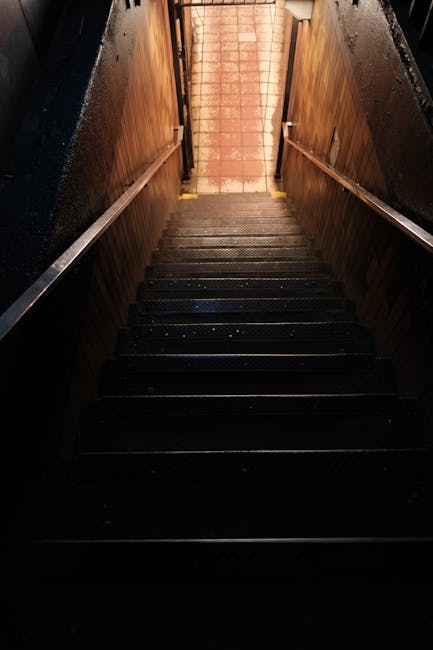
Common Mistakes to Avoid
Most access problems are manageable. The trouble starts when they are ignored.
- Assuming the staircase is "fine". If it feels tight to you, it will probably feel tight with equipment too.
- Booking without mentioning upper-floor access. This is one of the easiest ways to create delay and frustration.
- Leaving clutter on the stairs. It seems harmless for a day or two, then suddenly it becomes the obstacle.
- Expecting bulky equipment to fit everywhere. Not every machine is ideal for every property.
- Forgetting about delicate finishes. Narrow stairs often mean close contact with walls, skirting, and banisters.
- Underestimating the time needed. Access difficulty may not double the job, but it can definitely slow the pace.
There is also a communication mistake people make all the time: they say the flat is "easy enough" when what they really mean is "I've gotten used to it." Those are not the same thing. Cleaners need the first version, not the second.
Tools, Resources and Recommendations
You do not need a warehouse of equipment to manage narrow-stair access well. In fact, simplicity is usually better. The main tools are the ones that reduce handling and protect the property.
| Tool or approach | Best use | Why it helps |
|---|---|---|
| Lightweight vacuum or compact cleaner | Routine cleaning, upper-floor flats | Reduces strain on stair movement and turning space |
| Microfibre kit | Dusting, wiping, small-surface jobs | Less equipment to carry, still very effective |
| Door stoppers | Rooms with awkward door swings | Keeps movement easier when hands are full |
| Surface protectors or cloths | Banisters, corners, painted surfaces | Helps prevent scuffs during carrying |
| Pre-clean route clear-out | Any narrow stair job | Probably the cheapest and most useful "tool" of all |
For broader service planning, it can help to look at the provider's public information on services overview, insurance and safety, and health and safety policy. Those pages give useful reassurance about how a company thinks about risk, not just results.
If you are comparing providers, also check whether they explain their pricing clearly. Access-heavy homes should not come with mysterious add-ons. If a quote is vague, that is worth questioning. Quietly, firmly, and before the appointment, ideally.
Law, Compliance, Standards and Best Practice
For most domestic cleaning appointments, there is no special legal rule just for narrow stairs. That said, UK health and safety practice still matters. Employers and contractors have a duty to manage work safely, and that includes reducing foreseeable risks such as slips, manual handling injuries, blocked escape routes, or damage caused by poor carrying practices.
In plain English, that means a responsible cleaner should:
- avoid carrying loads that are unsafe for the staircase
- take care on steep, tight, or poorly lit steps
- use sensible manual handling methods
- report access concerns before starting work if they affect safety
- respect the property and communal areas
For clients, the best practice is to be accurate when describing the property. If there is no lift, say so. If the stairs are steep, say so. If there is a shared hallway with tight access, say so. That is not being difficult; it is being useful.
Many Maida Vale properties also sit within managed buildings or converted houses, so communal safety matters too. Keeping hallways clear and avoiding obstructive storage on stairs is sensible whether the building is busy in the morning or quiet at 9 pm with that lovely echo some old stairwells have.
Where a job becomes unusually difficult, a reputable provider will usually adjust the approach rather than push ahead blindly. That is the right instinct. It is safer, more professional, and frankly less stressful for everyone.
Options, Methods and Comparison Table
Different access setups call for different approaches. There is no one-size-fits-all answer, especially in older Maida Vale buildings. Here is a simple comparison of common methods.
| Method | Best for | Advantages | Trade-offs |
|---|---|---|---|
| Standard full-kit clean | Easy access homes, wider stairs | Fast, versatile, efficient | May be awkward in tight stairwells |
| Compact-kit clean | Narrow stairs, small landings | Easier movement, lower risk of scuffs | May require more trips or smaller capacity |
| Staged room-by-room clean | Multi-floor flats and houses | Organised, less backtracking | Needs more planning upfront |
| Two-person visit | Heavier jobs or challenging access | Better handling and speed | May not be necessary for simpler bookings |
| Access-first booking review | Unclear layouts, older buildings | Helps match the job to the right approach | Takes a little more detail before confirmation |
For many households, the best choice is not the most advanced one. It is the simplest approach that fits the stairs safely. That is usually the sweet spot. A bit boring, maybe. But effective.
Case Study or Real-World Example
Imagine a two-bedroom flat in a converted Maida Vale property. The stairs are steep, the turn is tight, and the landing barely fits a vacuum and a mop bucket at the same time. The client wants a thorough clean before new tenants arrive, including carpets, kitchen surfaces, bathroom limescale removal, and an upholstery freshen-up in the living room.
On paper, it sounds routine. In practice, the access changes everything. The cleaner arrives with a compact kit, leaves non-essential gear in the most sensible ground-floor spot, and carries items upstairs in stages. The carpet work is handled carefully because the stairwell is narrow and the hose would otherwise create a mess of tangles. The upholstery item is checked before moving it, because there is no point trying to force a large piece around a corner and hoping for the best. Hope is not a strategy, as the saying goes.
The result? The job takes longer than it would in a modern building with a lift, but it runs smoothly. No scuffed walls, no blocked hallway, no rushed decisions. The client gets the service they wanted, and the cleaner avoids unnecessary strain. That is what good planning looks like in real life.
This kind of situation is common enough that it often shows up in local service planning, especially where people are arranging broader move-related work such as end of tenancy cleaning in Sutherland Avenue. The property may be lovely, the staircase may be historic, but the access still needs respect.
Practical Checklist
Use this before the cleaner arrives. It takes five minutes and saves much more than five minutes later.
- Confirm whether there is a lift or only stairs
- Note how many flights the cleaner must use
- Check whether the stairwell is narrow at turns or landings
- Clear shoes, bags, and loose items from the route
- Tell the cleaner about delicate banisters, runners, or painted edges
- Share any bulky items that need moving or cleaning
- Ask whether compact equipment would be better
- Allow extra time if the property is tightly accessed
- Make sure communal areas are kept clear
- Double-check arrival instructions so the team is not left guessing at the door
Quick takeaway: if the route is clear, the clean is usually calmer. Not perfect. Just calmer. And that counts for a lot when the staircase is doing its best impression of a Victorian puzzle.
Get a free quote today and see how much you can save.
Conclusion
Access problems for Maida Vale cleaners narrow stairs are common, but they are not a deal-breaker. They just ask for better preparation, the right equipment, and honest communication. When those three things are in place, narrow staircases become a manageable part of the job rather than a source of stress.
For homeowners, tenants, landlords, and agents, the real win is simple: safer movement, fewer delays, and a cleaner result that suits the property instead of fighting it. In a part of London full of character buildings and compact layouts, that sort of practical awareness matters more than flashy promises.
And if the stairs are awkward? Fine. That happens. The best outcome is not pretending they are easy. It is handling them well.
There is something reassuring about a job done properly, even when the building makes it a little tricky. That is the kind of care people remember.