Health and Safety Policy for Cleaners W9
 A strong health and safety policy for cleaners in W9 helps create a safer, cleaner, and more reliable working environment. It sets clear expectations for safe behaviour, proper use of equipment, and responsible cleaning practices. Whether work takes place in homes, offices, or shared buildings, safety must remain a priority at every stage of the cleaning process.
For a cleaning service in W9, the policy should support both workers and clients by reducing risk and promoting consistent standards. Cleaners often handle chemicals, sharp tools, wet surfaces, and repetitive tasks, so a practical approach to safety is essential. This policy also helps ensure that cleaners W9 can complete their duties efficiently while protecting themselves and others.
Every W9 cleaning service should define responsibilities clearly. Managers are expected to provide safe training, suitable supplies, and proper supervision, while cleaners must follow safe working methods and report hazards promptly. A well-structured policy is not only about compliance; it is also about building a culture where safety is part of everyday work.
Core Safety Principles
All cleaning tasks should begin with a basic risk check. This includes identifying slippery floors, electrical hazards, blocked exits, broken equipment, and any areas that may contain harmful substances. The aim is to reduce avoidable accidents before work starts and to choose the safest method for each task. Professional cleaners W9 should never assume a space is safe without checking first.
Safe Use of Cleaning Products
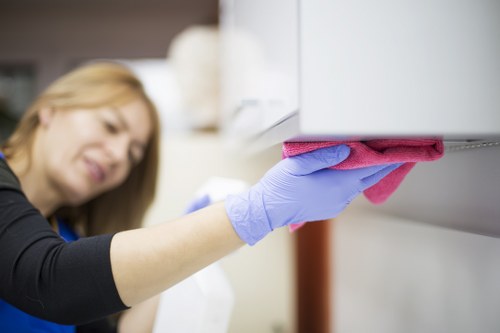
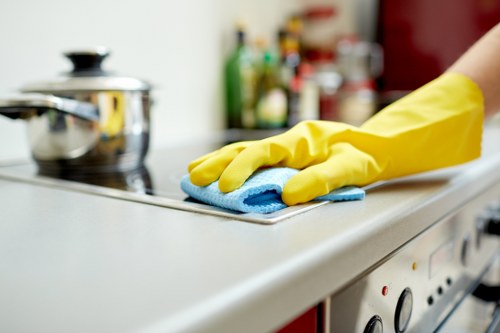
Cleaning chemicals must be stored, labelled, and used correctly. Staff should read product instructions carefully and never mix substances unless it is clearly allowed. Protective gloves and other equipment should be used when needed, especially when handling strong detergents or disinfectants. Good ventilation is also important when working with products that give off fumes. Safe chemical handling is a key part of every reliable W9 cleaner policy.
 Spills should be cleaned immediately using appropriate methods to avoid slips and exposure. Containers must remain sealed when not in use, and decanted products should always be identified clearly. Training should cover safe dilution, storage, and disposal so that all staff understand how to work responsibly with cleaning agents.
Equipment, Hygiene, and Working Practices
 Cleaning equipment should be checked before use and maintained regularly. Faulty vacuum cleaners, damaged mops, frayed cords, or unstable ladders can all cause injuries if ignored. Any unsafe item should be removed from service until repaired or replaced. Proper maintenance supports both performance and safety, helping cleaners W9 carry out tasks with confidence.
Personal hygiene is equally important. Cleaners should wash hands regularly, especially after handling waste, chemicals, or contaminated surfaces. Where necessary, uniforms or disposable protective items should be changed during the day. Food and drink should never be consumed in cleaning areas where contamination may occur. These measures help prevent the spread of germs and keep workspaces healthier for everyone.
Manual handling is another major concern. Lifting bins, moving furniture, or carrying heavy equipment can strain the back, shoulders, or wrists. Staff should use correct posture, ask for assistance when loads are too heavy, and rely on trolleys or lifting aids where possible. A safe cleaning routine reduces physical stress and supports long-term wellbeing.
Training, Supervision, and Incident Reporting
Training should be provided from the start and refreshed whenever procedures change. Topics should include safe chemical use, emergency response, lifting techniques, infection control, and correct equipment handling. Clear supervision helps ensure that standards remain consistent and that new staff understand expectations. A strong health and safety policy for cleaners depends on regular instruction and practical support.
Any accident, near miss, or hazard should be reported as soon as possible. Examples include slips, cuts, exposure to harmful products, broken tools, or unsafe building conditions. Quick reporting allows managers to investigate problems and take action before they happen again. Recording incidents also helps improve the overall safety process and highlights recurring risks in cleaning services W9.
The policy should make it clear that no worker should feel pressured to continue if a task appears unsafe. Staff have the right to pause work, ask for guidance, and request safer tools or methods. Open communication is essential, as it encourages accountability and prevents small issues from developing into serious problems.
Emergency Readiness and Protecting Others
 Emergency procedures should be simple and easy to follow. Cleaners must know what to do in case of fire, injury, chemical exposure, or a sudden hazard in the work area. First aid supplies should be available where appropriate, and staff should understand how to raise an alert quickly. Being prepared helps protect both cleaners and the people around them.
Safety also includes respect for clients, building users, and the public. Signs may be needed to warn about wet floors or restricted access while cleaning is underway. Doors, passages, and exits must remain clear. When working in occupied spaces, cleaners should maintain discretion, stay aware of surroundings, and avoid creating unnecessary disruption. A responsible cleaning company in W9 considers everyone’s safety, not only its own team.
Review and Continuous Improvement
 This policy should be reviewed regularly to ensure it stays effective and up to date. Changes in equipment, products, staffing, or working conditions may require adjustments. Feedback from safety checks and incident records should be used to improve procedures and remove weaknesses. Continuous improvement is central to a dependable W9 cleaners health and safety framework.
By following clear rules, offering proper training, and keeping safety at the centre of daily operations, a cleaning service W9 can protect its staff and deliver consistent results. A practical policy supports confidence, reduces risk, and helps ensure every cleaning task is completed with care, professionalism, and responsibility.